How to Prevent Lens Coating Peeling (Complete Guide)
May 10, 2026 · 3 min read
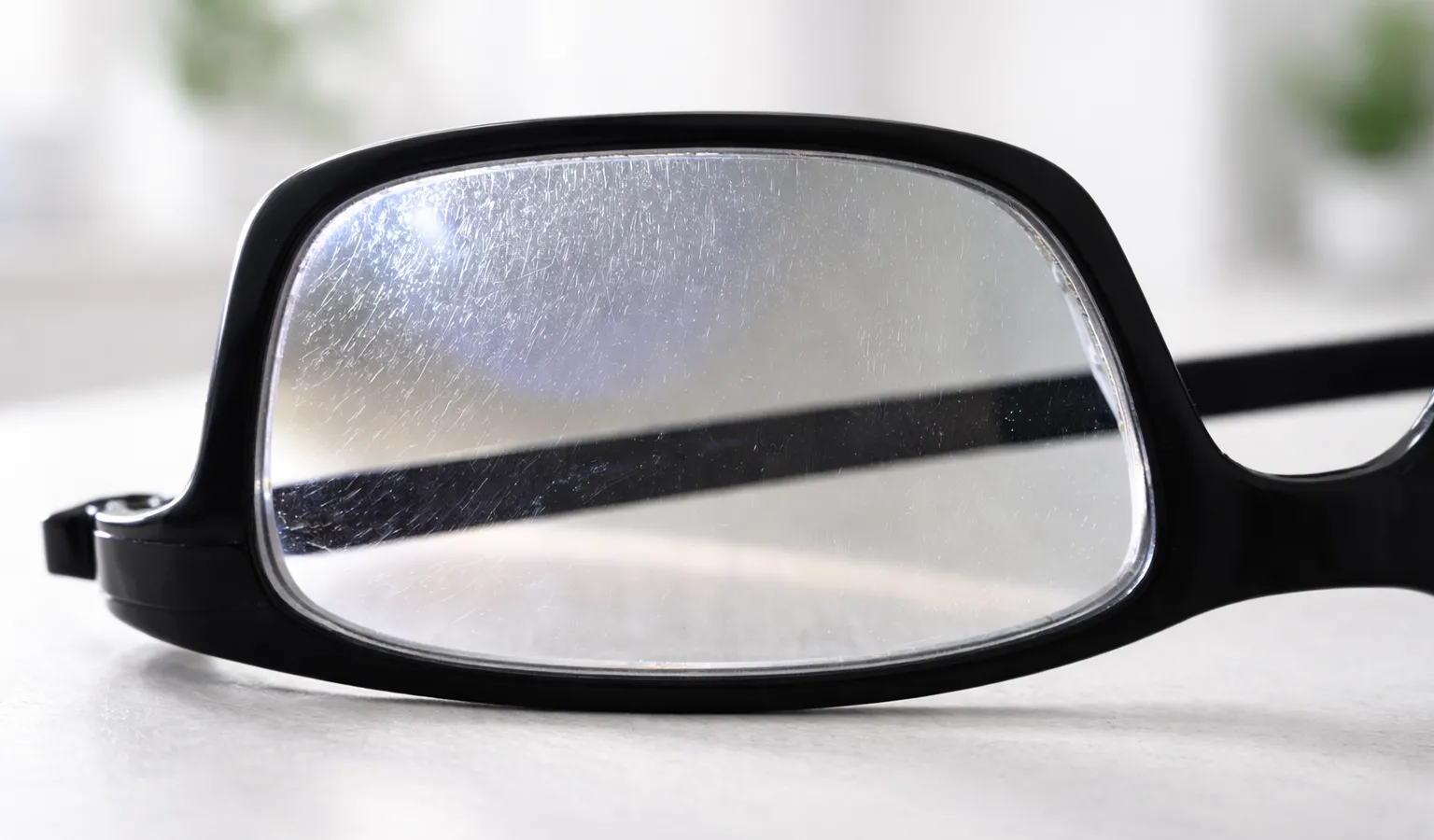
Have you ever noticed cloudy patches, scratches, or a strange rainbow effect on your glasses that won’t go away no matter how often you clean them? This is often a sign of lens coating damage - commonly referred to as lens coating peeling.
For many glasses wearers, this issue can be frustrating. It not only affects how your lenses look but also impacts how clearly you see. The good news is that in many cases, coating damage can be prevented with the right habits and choices.
What Happens When Lens Coating Peels Off?
Lens coatings such as anti-reflective, anti-scratch, and protective layers play a crucial role in maintaining visual clarity and durability.
When these coatings begin to peel or degrade, you may experience:
-
Reduced light transmission and clarity
-
Increased glare and reflections
-
Faster lens wear and surface damage
-
Eye strain from distorted vision
Over time, damaged coatings can make even a high-quality prescription feel uncomfortable to use.
Why Do Lens Coatings Peel Off?
Lens coating peeling (or glasses lens coating damage) is usually caused by daily habits and product quality. The most common reasons include:
1. Exposure to High Temperatures
Heat can weaken the bonding of coating layers and accelerate damage. Common situations include:
-
Leaving glasses inside a hot car
-
Wearing glasses while using a hair dryer
-
Rinsing lenses with hot water
2. Improper Cleaning Methods
Incorrect cleaning habits can gradually wear down the coating surface. For example:
-
Wiping lenses with clothing or paper tissues
-
Cleaning lenses while they are dry (without rinsing first)
-
Using unsuitable cleaning products such as household cleaners
3. Improper Storage
How you store your glasses can directly affect coating durability. Common mistakes include:
-
Placing glasses with lenses facing down
-
Leaving glasses exposed on hard or dusty surfaces
-
Not using a protective case when not wearing them
4. Poor Lens Quality
Lenses with lower-quality coatings are more likely to peel, even with normal use. These coatings are less resistant to heat, friction, and daily wear.
5. Natural Wear Over Time
All lens coatings have a limited lifespan. After long-term use, some coating wear or peeling is normal and unavoidable.
How to Prevent Lens Coating Peeling
While coating damage cannot be completely avoided, the following habits can significantly reduce the risk:
-
Avoid High-Temperature Environments: Keep your glasses away from heat sources and avoid leaving them in hot environments such as inside a car.
-
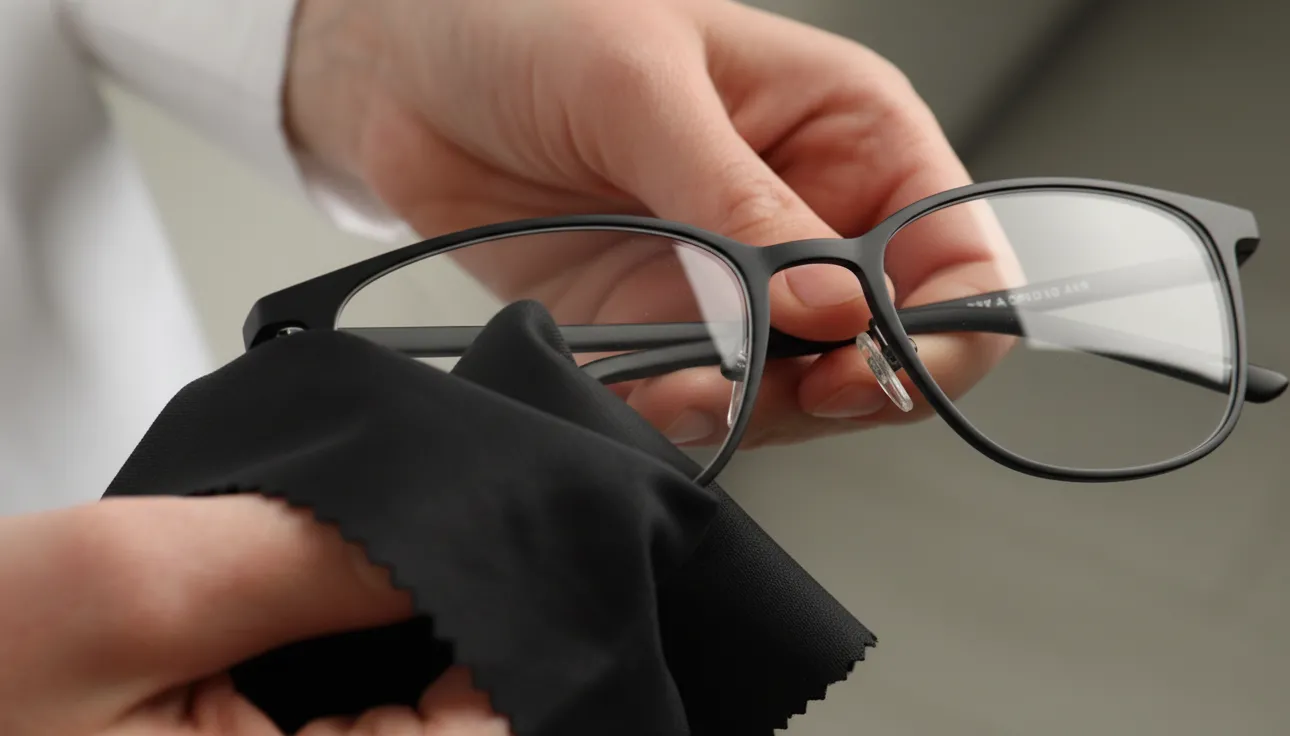
Clean Your Glasses Properly: Always rinse lenses before wiping and use a microfiber cloth with a lens-safe cleaning solution. Avoid using clothing or tissues.
-
Store Your Glasses Correctly: When not in use, place your glasses in a protective case and avoid putting them lens-side down.
-
Choose High-Quality Lenses with Reliable Coatings: Investing in well-made lenses with durable coatings and product warranty helps ensure better long-term performance and reduces the likelihood of coating peeling.
Can You Fix Lens Coating Peeling?
Unfortunately, once lens coating peeling occurs, it usually cannot be repaired.
In most cases, the only effective solution is replacing the lenses. This is why prevention and proper care are so important.
Final Thoughts: Good Habits Make a Difference
Taking proper care of your glasses can significantly reduce the risk of lens coating peeling and help maintain clear vision over time. Simple daily habits such as avoiding heat, cleaning lenses correctly, and storing them properly all contribute to longer-lasting performance.
At the same time, the durability of lens coatings also depends on their quality. Higher-quality coatings are designed to better withstand everyday use and maintain clarity for longer, making them a more reliable choice over time.